
Tech

What to Consider When Choosing Your Next Laptop
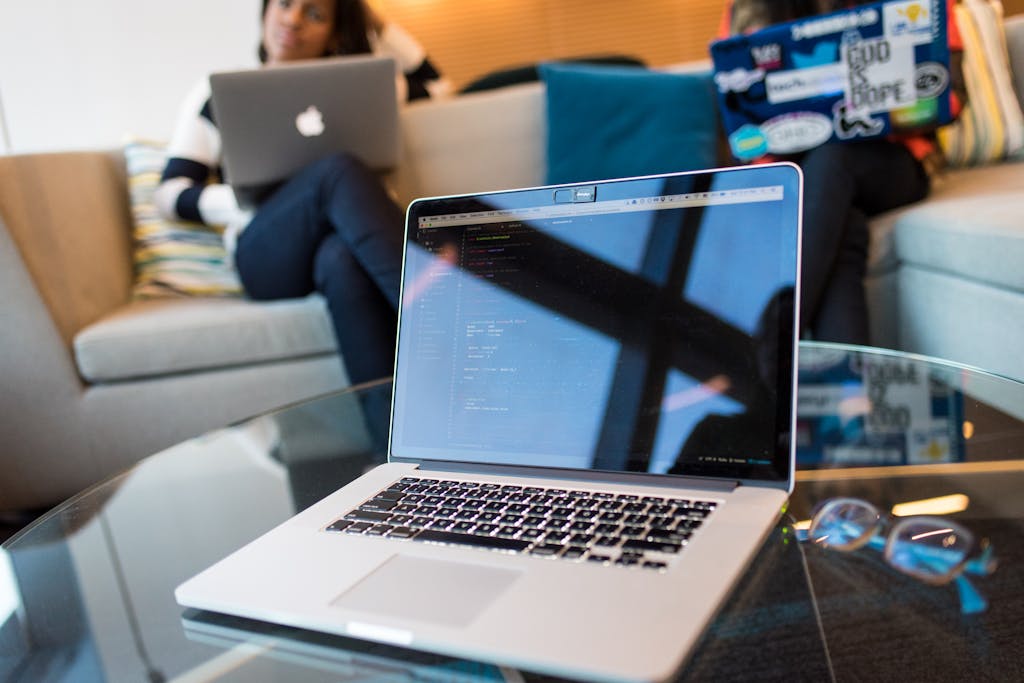
Choosing a new laptop is an important decision and not always an easy one. With so many options, brands, and features available, it is normal to feel confused. Whether you need a laptop for work, study, gaming, or regular home use, thinking carefully about your needs can help you pick the right one. In this article, we will look at a few key points to consider so your next laptop is the perfect fit for you.

Your Purpose

Before looking at the specs and design, think about what you need the laptop for. Will you use it mainly for studying, working, gaming, watching videos, or browsing the web? For example, gamers need strong graphics and speed, while students may want a lightweight laptop with long battery life and basic features. Deciding your main purpose makes the search much easier.

Performance Power

Performance depends on two main factors: the processor and the memory (RAM). The processor acts like the brain of your laptop, while RAM helps it run smoothly. If you often multitask or use heavy software, look for a laptop with a fast processor and at least 8 GB of RAM. For lighter use, such as browsing or watching movies, less powerful specs may still work well.

Storage Space

Laptops come with two main types of storage: HDD (Hard Disk Drive) and SSD (Solid State Drive). SSDs are faster and make your computer run and start up more quickly. If you need to store lots of files, photos, or videos, consider a laptop with bigger storage space, at least 256 GB or more.

Battery Life

Battery life is very important if you want to use your laptop on the go. Some laptops last only a few hours, while others can last all day. Check the battery specifications and read reviews to see how long the battery really lasts in real life. Students and workers who travel will find long battery life very helpful.

Screen Size and Quality

Laptop screens vary in size, from compact ones around 13 inches to large ones up to 17 inches. A bigger screen is good for watching movies or working on large projects, but smaller screens are easier to carry. Also, look for good resolution and brightness for comfy viewing.

Build and Design

If you plan to carry your laptop often, a lightweight and slim design is ideal. Some laptops are made with strong materials like metal or high-grade plastic, which makes them more durable. Also, pay attention to the keyboard layout and touchpad, especially if you type a lot.

Price and Warranty

Last but not least, make sure the laptop fits your budget. Higher-priced models often come with more features, but sometimes basic laptops are perfect for simple use. Check if the laptop includes a good warranty or customer support, which can help if there are any problems later.

By keeping these points in mind, you can find a laptop that suits your needs and budget. Take your time, do your research, and you will have a reliable device for years to come.