
Home & Lifestyle

Essential Tips for Maintaining the Longevity of your Furniture
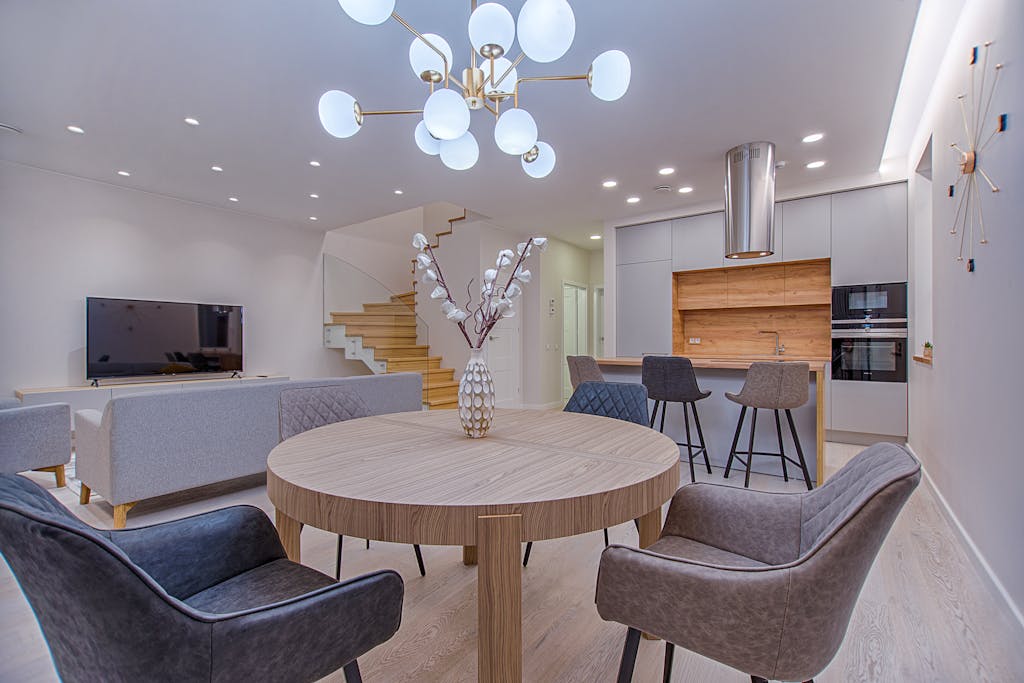
Furniture is a significant investment in any home. It not only enhances the aesthetics of your space but also provides comfort and functionality. Therefore, keeping your furniture in good shape is vital. This article delves into practical tips to maintain the longevity of your furniture, ensuring it stays as good as new for a long time.

Regular Cleaning

Dust and dirt can degrade your furniture over time. Regular cleaning is crucial to keep your furniture looking its best. Use appropriate cleaning materials specific for each type – a damp cloth for wooden furniture, a lint brush for fabric, and so on. Remember not to use harsh chemicals that can damage the surface.

Positioning is Key

Direct exposure to sunlight can fade the color of your furniture, causing it to degrade over time. Similarly, placing furniture too close to heat sources can cause damage. It’s crucial to position your furniture wisely – away from harsh elements.

Avoid Overloading

Each piece of furniture is designed to hold a specific weight limit. Overloading furniture can damage it causing it to wear out prematurely. Avoid sitting on the armrest of a couch or stacking heavy items on a shelf not meant for weight.

Regularly Tighten Loose Bolts and Screws

Furniture is frequently used and due to regular movement, the nuts and bolts can get loose over time. Ensure to regularly check your furniture pieces and tighten any loose screws to prevent it from wobbling or becoming unstable.

Be Mindful of Humidity

Furniture is sensitive to atmospheric conditions. Especially wooden furniture which can expand or contract with humidity levels causing it to warp or crack. Use dehumidifiers in your home to maintain appropriate humidity levels to prevent such damage.

Use Protective Covers

Consider protective covers for your furniture to protect them from scratches, spills, or pet hair. For instance, an easy-to-wash cover for your couch or table cloth for your dining table can protect your pieces from stain or other damage.

Routine Inspections

Regularly inspect your furniture for any early signs of damage like termites, warps, or cracks especially in wooden furniture as early intervention can save you expensive repair costs.